I find myself returning to the film ‘Inception’ again and again, not because I seek to “figure it out” or to spot subtle clues as I go along, but because the film discusses so many interesting themes and raises so many important questions. In this post, I will use Inception as my jumping off point for a discussion of dreams in film and literature and how they continue to reveal to us so much about ourselves and how we interpret reality.
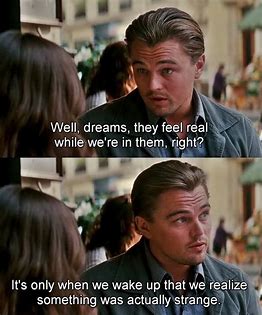
Christopher Nolan’s Inception presents dreams as real when we’re experiencing them. Leonardo Dicaprio’s character says, ‘a face full of glass hurts like hell’ when we’re in a dream. During the main action of the film, Dicaprio and his team set up scenarios in which the subject of their heist will feed himself ideas as if they are self-generated. This makes me wonder if the unconscious mind feeds us all ideas with no trace of where they come from during the “night shift” when our conscious mind is resting. Nolan’s visual representation of people in the dream levels of Inception as projections of the subconscious over whom the dreamer has no control, makes the film a powerful metaphor for the untapped potential, both positive and negative, within us all.
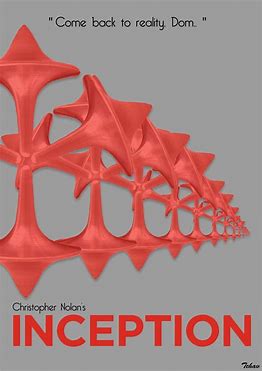
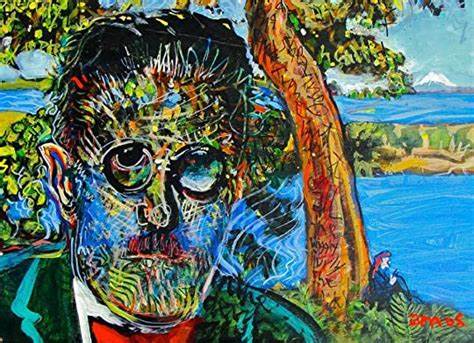
The dream levels of Inception are designed to serve the specific purpose of the gang of dream thieves at that point in the mission. They create environments that are conducive to the emotional response they want to engender in the subject. This can’t help but cause associations in my mind with the role of an author in structuring a novel with specific chapters and sections – in other words environments – designed to engender a particular emotional response from readers. James Joyce’s Finnegans Wake is so profound because it gives us an entire novel set in that subterranean nightshift of the unconscious mind. What emerges is baffling, brilliant, and resistant to simplistic, “day shift” explanations. Like Dicaprio’s team in Inception, Joyce knows the rules of his dream environments. When he pushes those rules as far as they will go, what readers are presented with is something akin to a new language, a language that is pure, brand new, but also very much tainted with the sins of both Humphrey Chimpden Earwicker and humanity in general.
In Inception, what happens in dreams has consequences in “reality” as ideas and secrets are both stolen and implanted. This is a world in which the consequences of our actions in dreams cannot be exactly anticipated at the level of reality. The film blurs the boundaries between dreams and reality. It introduces the idea of dreams being more real to some people than reality. The film’s ambiguous ending also raises the question of whether it really matters if we can distinguish between dreams and reality. As we have already seen, dreams feel real when we’re in them.

Another, very different, film that depicts our relationship with dreams in a striking fashion is Mulholland Drive. David Lynch’s film shows us a world of dreams that seems more separate from waking life than is the case in Inception. It is a world filled with dangers that we can try to impose our own rules upon, but that has its own way of bringing us to truths that we are trying to hide from. In Lynch’s film, a dream may start out as a Hollywood fantasy of wish fulfilment, but a dark and guilt-ridden unconscious will not stay buried for long.
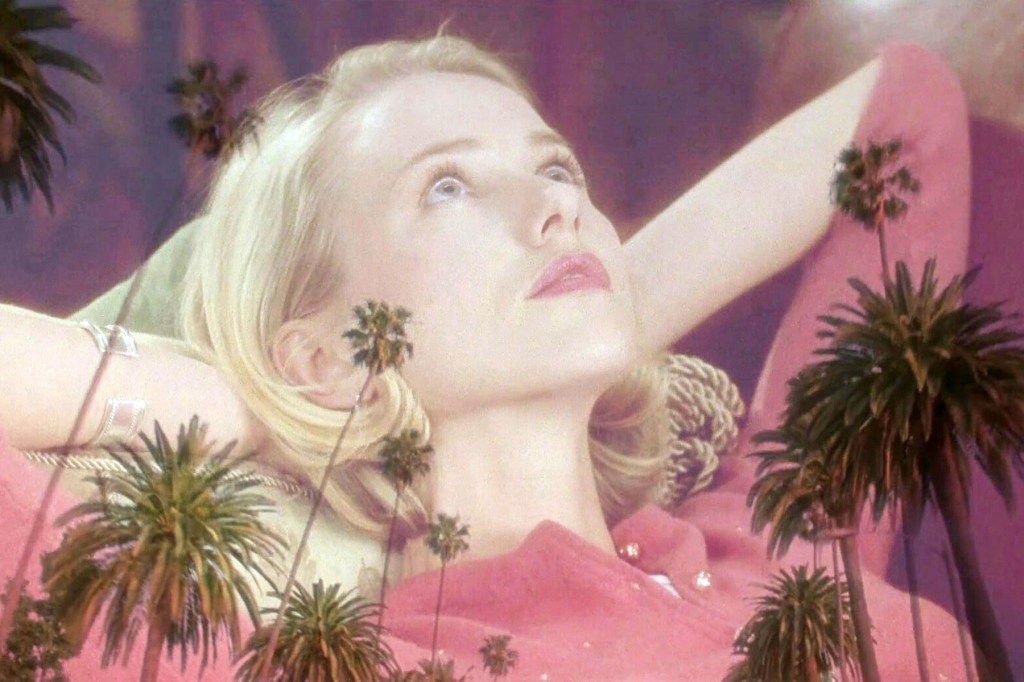
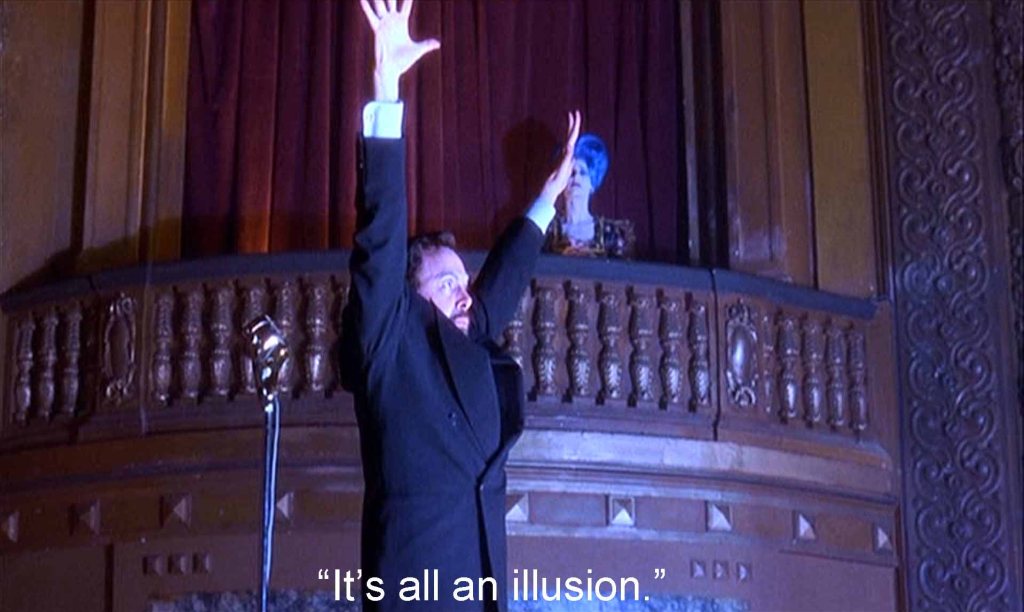
The dream levels of Inception are like film sets controlled by a director and crew. This control has its limits dependent on the nature of the dreamer’s unconscious. Mulholland Drive shows us the power of the unconscious to both shield us from harsh realities and reveal our true nature to us in subtle as well as alarming ways. Both films can be interpreted as metaphors for creative processes. As with Inception, there is no sense in Mulholland Drive of one state taking precedence over another. The Club Silencio scene in Mulholland Drive that explores themes of illusion, imitation, and sounds produced without an orchestra could be one of the sets designed to evoke a particular emotional response from Inception. The difference is that Club Silencio is presented as self-generated in order to bring about a truth and a breakdown.
The more we are able to pay attention to what is going on during the “night shift” that I heard the late Cormac McCarthy discussing in an interview he did at the Sante Fe institute, then perhaps the more we can learn about ourselves and our true natures. Like the information and emotions that are fed to the subjects in Inception, and the information and emotions that will not stay buried in Mulholland Drive, we can learn from our own dream landscapes and the journeys through them that our unconscious mind takes us on.
 Better things for better living, but not through chemistry